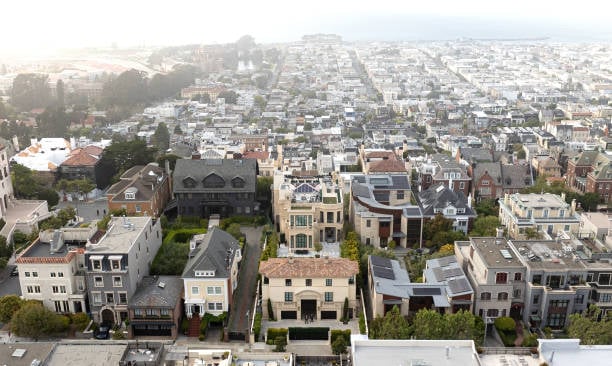
Here's something that doesn't get talked about enough in San Francisco real estate: whether or not a geological hazard affects your property's value has surprisingly little to do with geology and almost everything to do with market conditions. Liquefaction risk is the perfect case study.
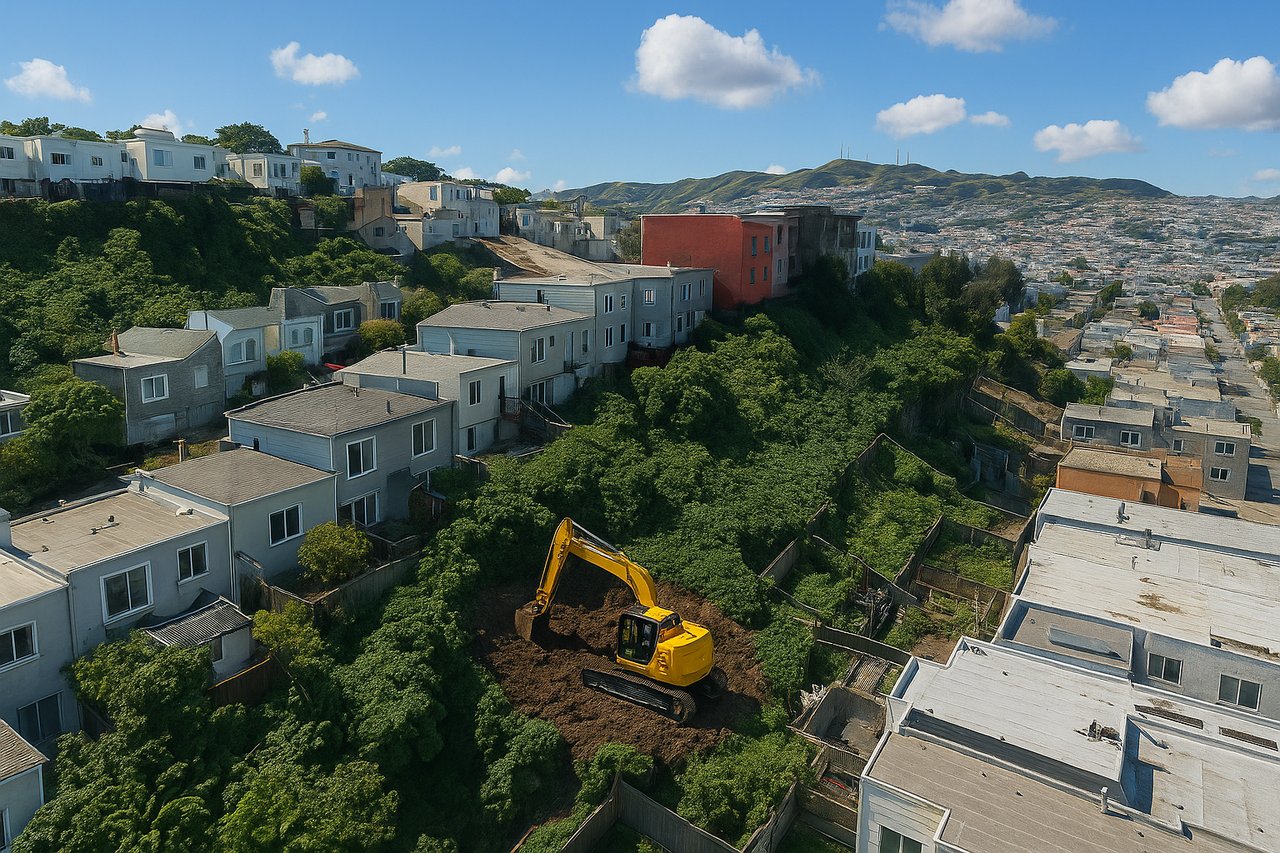
For the unfamiliar, liquefaction is what can happen when saturated, loosely packed soil temporarily loses strength during strong earthquake shaking. In liquefaction-prone areas, the ground can settle, spread laterally, or shift unevenly, and buildings can tilt or sustain serious structural damage even when nearby areas fare better. San Francisco has well-documented zones of elevated liquefaction susceptibility, and the data is publicly available to anyone who cares to look. The interesting part isn't the science. It's how selectively buyers choose to care about it.
A Risk That Waxes and Wanes with Sentiment
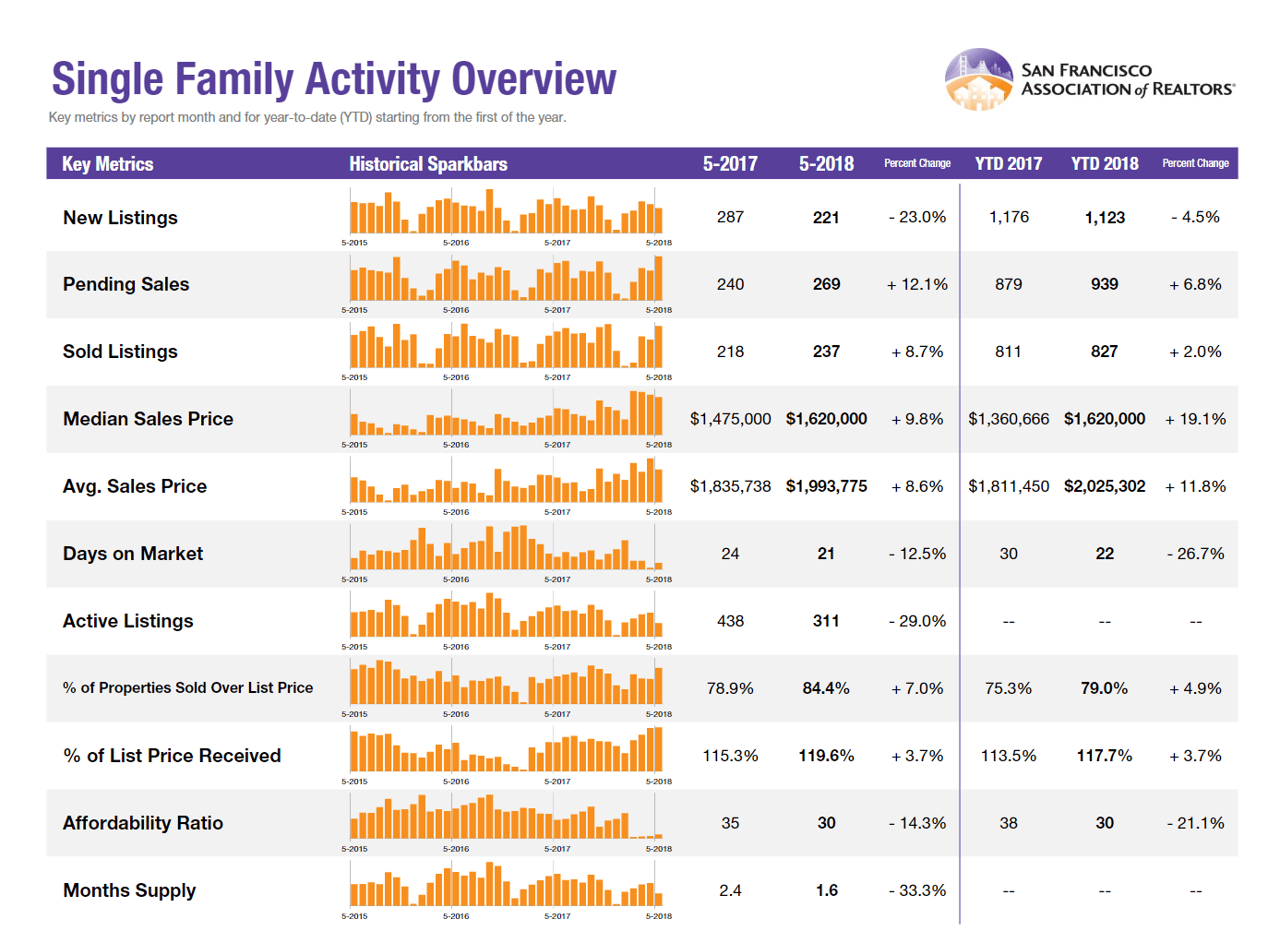
In a booming market, liquefaction zones barely register as a concern. Buyers are competing fiercely for limited inventory, emotions are running high, and the last thing someone wants to hear when they've finally found a place they love is that the soil underneath it might not behave well during the next big earthquake. So they wave it off. They rationalize. They tell themselves that the building has been standing for a hundred years and it'll be fine for a hundred more. And in fairness, plenty of buildings in higher-susceptibility areas have performed acceptably for long periods, especially where construction, maintenance, and retrofits have reduced vulnerability.
But when the market pulls back, the psychology flips entirely. Suddenly buyers have options. They're not scrambling to outbid five other offers on a Sunday afternoon. They can afford to be selective, and when you can afford to be selective, every flaw gets magnified. That liquefaction zone that nobody mentioned in 2021? In a softer market, it becomes a negotiating chip, a reason to walk, or a justification for a lowball offer. Sellers who were fielding multiple offers above asking a year earlier find themselves explaining away a geological map to skeptical buyers who have all the leverage.
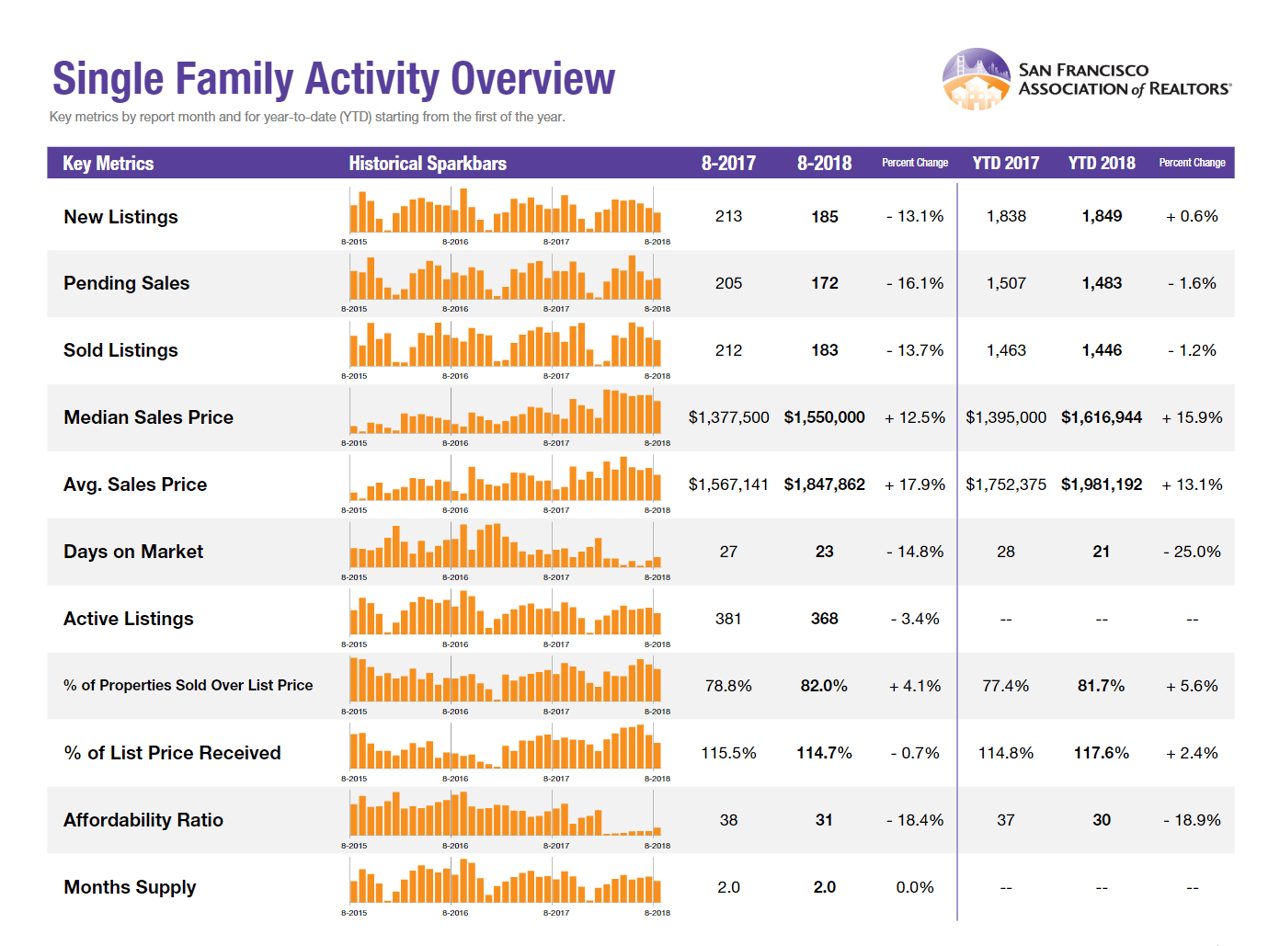
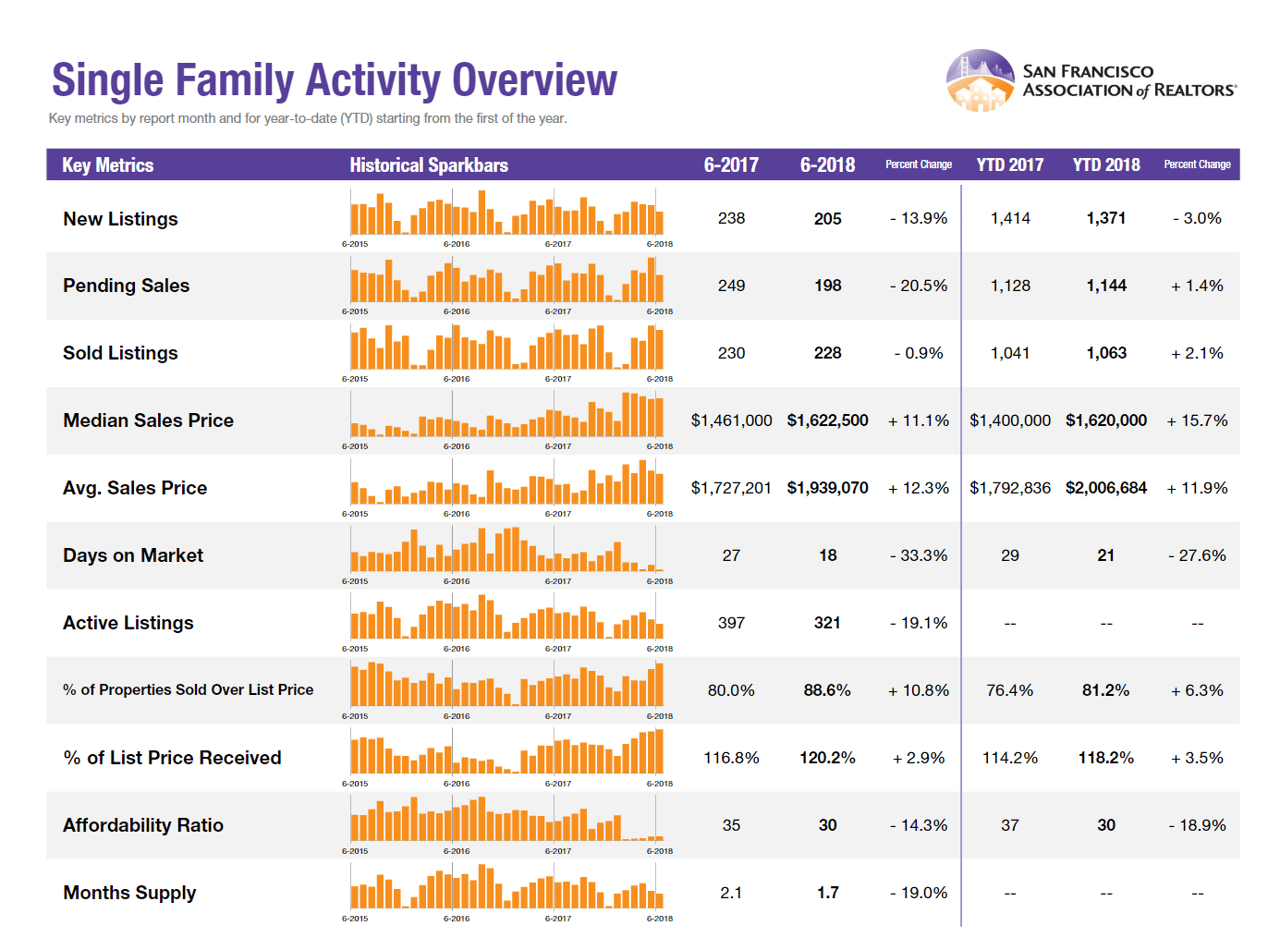
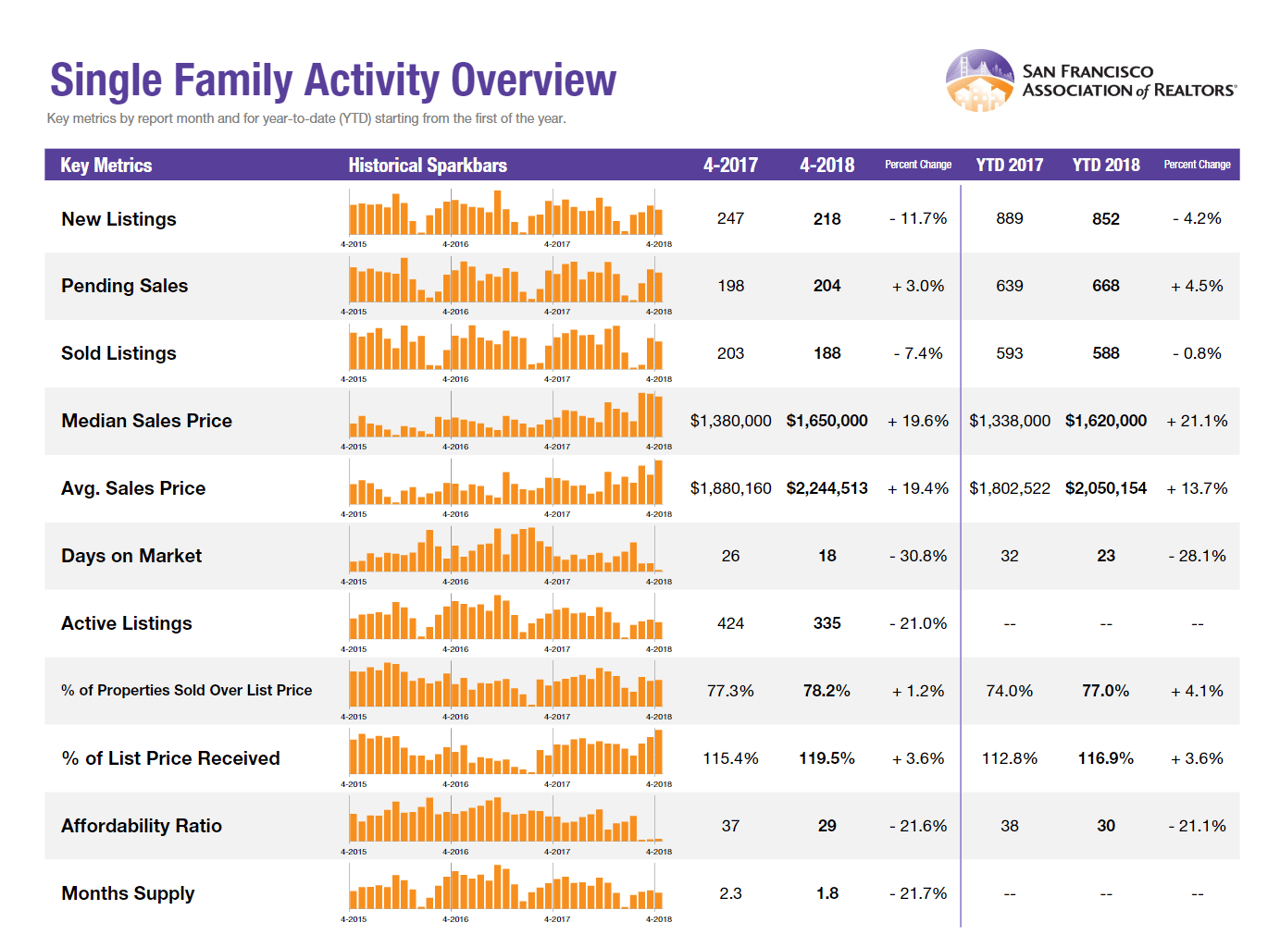
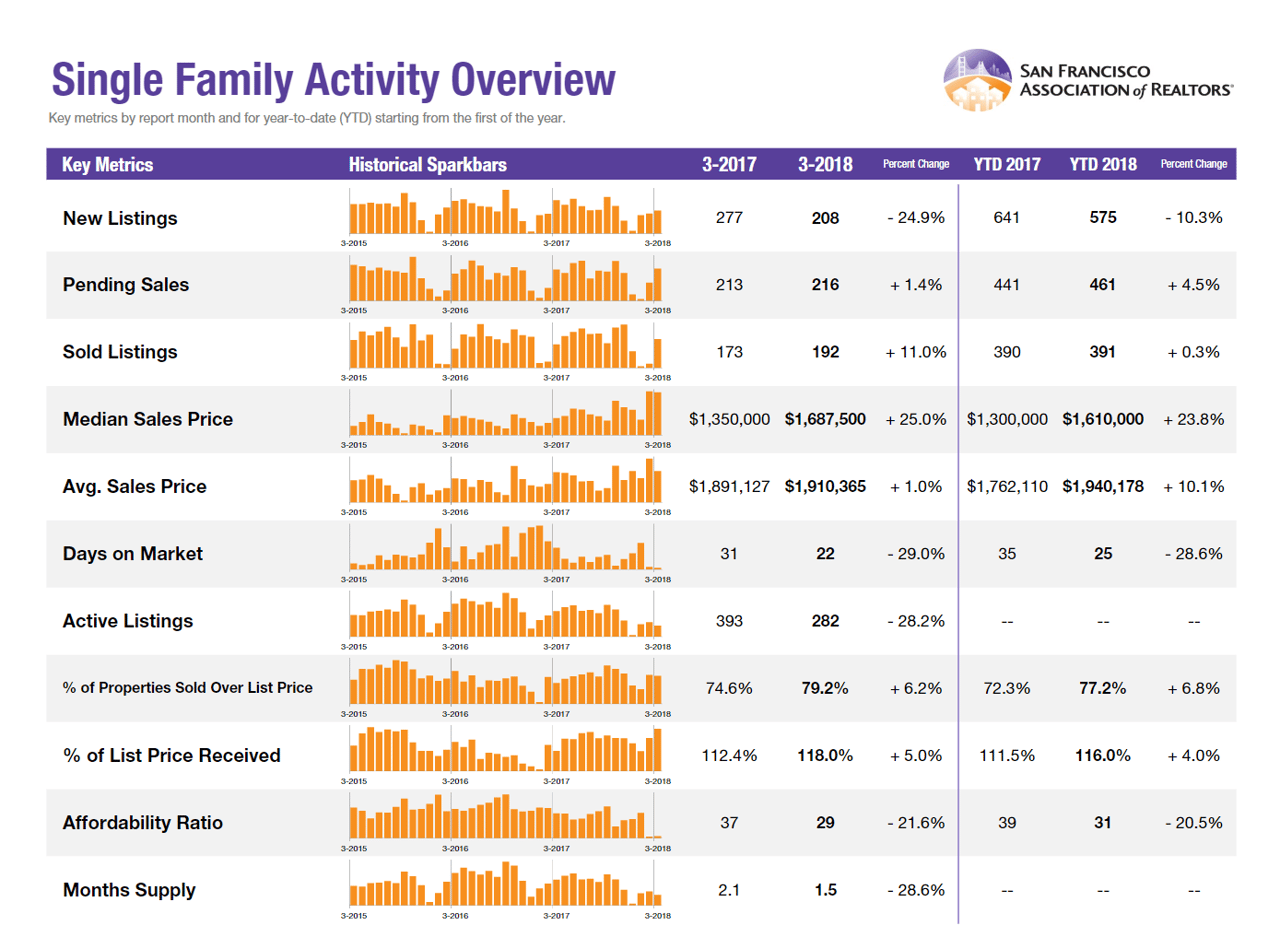
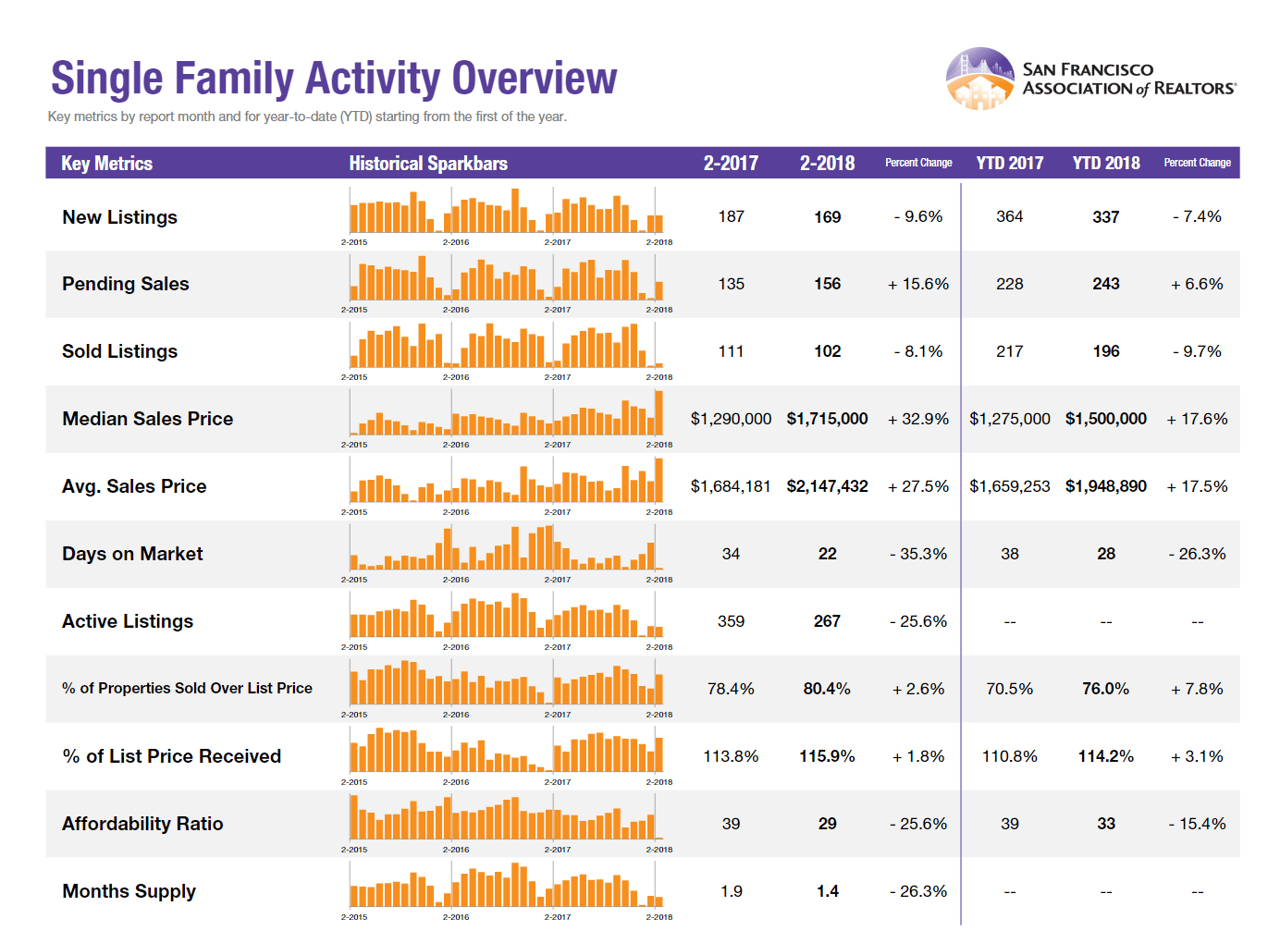
San Francisco saw exactly this dynamic play out in 2023, when sales activity slowed sharply and the buyer pool thinned. Properties that would have sailed through with minimal scrutiny during the boom suddenly had to contend with buyers who were reading every line of the disclosure package, hazard maps included.
The Elephant Under the Foundation
The Hayward Fault, which runs along the eastern side of the Bay, has produced major earthquakes at irregular intervals. Commonly cited estimates put the spacing of large events on the order of roughly a century or more, with an average around 150 years. The last major Hayward Fault earthquake was in 1868, which is why scientists often describe the fault as “due” in a probabilistic sense. That doesn’t mean an earthquake is imminent tomorrow. It means the long-term odds are meaningful, and no one gets to pick the timing.
For properties sitting in higher liquefaction-susceptibility areas, this isn’t an abstract concern. The soil hazard is effectively constant, while earthquake risk is probabilistic. The tricky part about geological risk in a cyclical market is that the hazard doesn’t change, but the market’s attention to it is intermittent and driven almost entirely by sentiment, liquidity, and market heat.
Nobody wants to be, as the saying goes, the one holding the bag.
What This Means for Buyers and Sellers
If you're buying a San Francisco property in a higher liquefaction-susceptibility area, the most important thing you can do is separate the geological reality from the market noise. Just because nobody else in a competitive bidding situation seems concerned doesn't mean the risk isn't real. And just because a buyer in a slow market is using it as a reason to negotiate you down doesn't mean the building is about to fail. The truth, as usual, lives somewhere in the middle.
A few practical considerations worth keeping in mind:
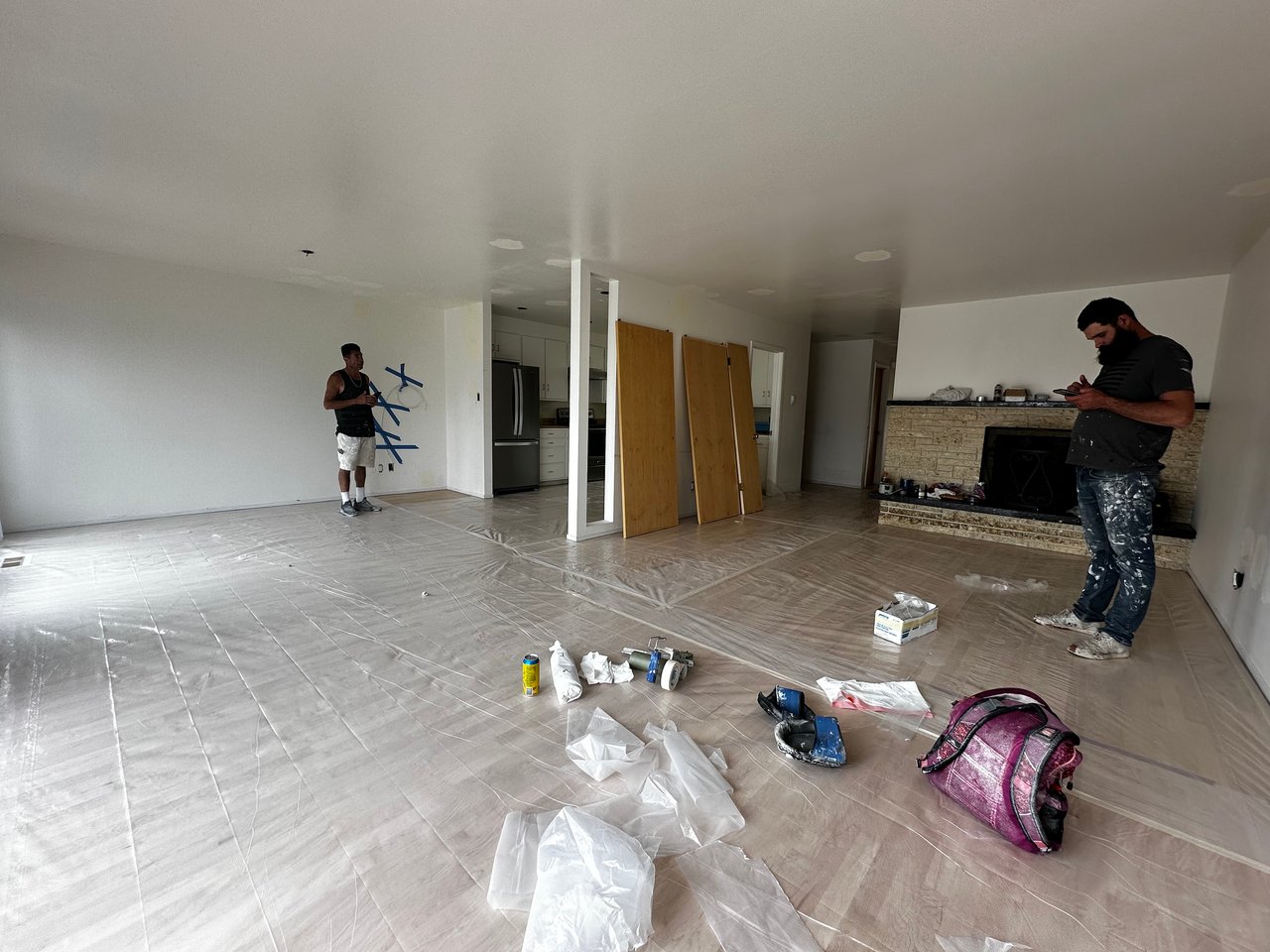
First, if you're planning a major renovation, seismic work should be a non-negotiable part of your scope. Liquefaction is fundamentally a ground behavior problem, but many of the worst outcomes come from avoidable structural vulnerabilities. A well-retrofitted building can materially outperform an unreinforced one, and demonstrating that risk has been addressed can reduce anxiety later.
Second, understand that your exit timing can matter more than it might with a comparable property on more stable ground. If you're buying and plan to sell in a few years, you want to be selling into a strong market where buyers are less likely to fixate on hazard layers. Selling into a soft market with an obvious hazard flag can be a materially different experience.
Third, do your homework on the specific block, not just the general neighborhood. Liquefaction susceptibility in San Francisco can be surprisingly patchy. One side of a street might light up while the other side sits on firmer deposits. USGS and California Geological Survey mapping, along with San Francisco’s public data layers, are worth studying before you make any offers.
The geology under San Francisco isn't going to change. But the market's willingness to scrutinize it will keep swinging back and forth with every cycle. The buyers and sellers who understand that disconnect are the ones who tend to come out ahead.